Safety Equipment -- Professional Guide
Personal protective equipment is the last line of defense against the hazards inherent in trade work. Selecting the right PPE requires understanding specific hazards, applicable regulations, and the performance requirements of the working environment.
This guide covers Safety Equipment across 6 tool types. Each section addresses what the tool does, how it\'s used across different applications, and what to look for when evaluating quality.
This category covers Safety Glasses, Work Gloves, Ear Protection, Respirators, Hard Hats, and 1 more tool types. Use the subcategory links below to go deeper on any specific tool, or browse the current listings above for a broad view of what\'s available.
Buying Guide: What to Know Before You Buy
How Safety Equipment Are Used
Required by OSHA in any environment with eye hazard risk -- machining, grinding, cutting, nailing, painting, chemical handling, and more. Most tradespeople wear safety glasses all day on the job site. The difference between compliant and non-compliant eyewear is the ANSI Z87.1 marking on both the lens and frame.
Leading Brands
Uvex, Pyramex, and 3M make the most widely used professional safety eyewear. Wiley X and ESS provide ballistic-rated eyewear for industrial and military applications. Oakley and Smith have entered the safety eyewear market with sport-influenced designs that encourage all-day wear compliance.
What to Inspect
Check lenses for scratches, crazing, or cracks -- damaged lenses provide reduced protection and must be replaced. Verify the ANSI Z87.1 marking is present and legible. Frames should be undamaged and provide secure fit.
Frequently Asked Questions
What is a Safety Equipment and what is it used for?
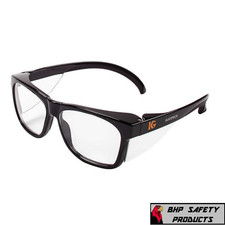
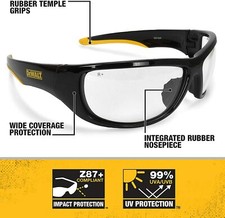
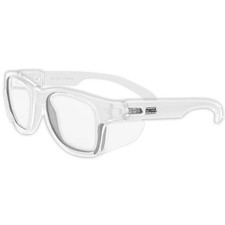
Safety glasses provide eye protection against flying particles, dust, chemical splash, and optical radiation. ANSI Z87.1 is the US standard for impact resistance; lenses rated Z87+ meet high-impact requirements. Side shields, wraparound designs, and over-glass (OTG) styles serve different protection and comfort needs. Required by OSHA in any environment with eye hazard risk -- machining, grinding, cutting, nailing, painting, chemical handling, and more. Most tradespeople wear safety glasses all day on the job site. The difference between compliant and non-compliant eyewear is the ANSI Z87.1 marking on both the lens and frame.
What brands make the best Safety Equipment?
Uvex, Pyramex, and 3M make the most widely used professional safety eyewear. Wiley X and ESS provide ballistic-rated eyewear for industrial and military applications. Oakley and Smith have entered the safety eyewear market with sport-influenced designs that encourage all-day wear compliance.
What should I inspect when evaluating a used Safety Equipment?
Check lenses for scratches, crazing, or cracks -- damaged lenses provide reduced protection and must be replaced. Verify the ANSI Z87.1 marking is present and legible. Frames should be undamaged and provide secure fit.
What is the difference between professional and consumer Safety Equipment?
Professional-grade Safety Equipment are built to different specifications than consumer versions -- heavier steel, tighter tolerances, more robust mechanisms, and longer-lasting surface treatments. The practical difference shows up in accuracy over time, performance under sustained use, and longevity. A professional tool used daily for a career represents a much better value than replacing consumer versions every few years.
How are Safety Equipment used differently across industries?
Required by OSHA in any environment with eye hazard risk -- machining, grinding, cutting, nailing, painting, chemical handling, and more. Most tradespeople wear safety glasses all day on the job site. The difference between compliant and non-compliant eyewear is the ANSI Z87.1 marking on both the lens and frame. Different industries also have different standards for tool condition and calibration -- a machinist\'s requirements for a measuring tool differ from a carpenter\'s, even when using the same instrument.
As an eBay Partner Network Affiliate, we may earn a commission at no additional cost to you.